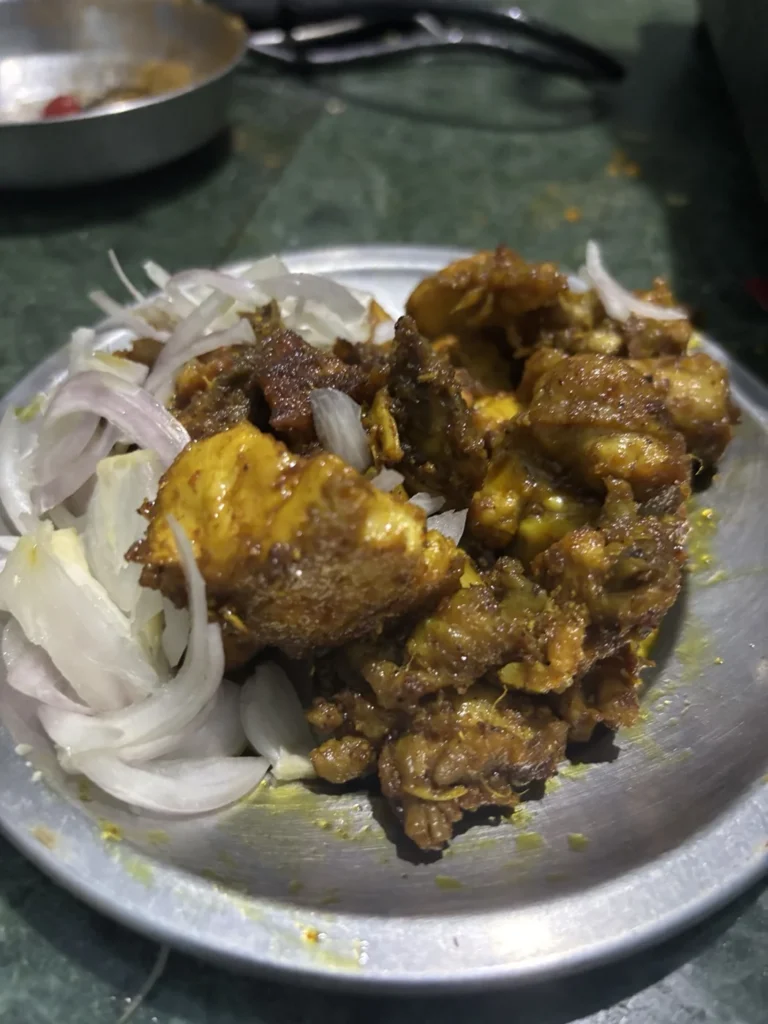
Twenty grams of protein sounds like a number you would see on a nutrition label, but it is easier to understand when you can picture the food.
In real life, 20 grams of protein can look like a small chicken breast portion, a cup of Greek yogurt with a little extra dairy, three eggs plus milk, a tuna serving, or a tofu-based meal. The exact amount changes with the food, brand, and serving size.
Quick answer: 20 grams of protein is roughly the amount you might get from about 2.5–3 oz of cooked chicken breast, a generous serving of Greek yogurt, around 3 large eggs plus a little milk, or a moderate serving of tuna. These are approximate examples, not exact prescriptions.
What does 20 grams of protein look like?

Simple foods that give you about 20 grams of protein
The easiest way to answer this question is to compare normal serving sizes. The values below are rounded so they are useful for everyday meal planning rather than laboratory-level precision.
| Food | Approximate portion | Approximate protein |
|---|---|---|
| Cooked chicken breast | About 2.5–3 oz (70–85 g) | 20–26 g |
| Tuna | About 3 oz drained | About 20 g |
| Plain Greek yogurt | About 1 cup, depending on brand | About 18–23 g |
| Cottage cheese | About 3/4 cup | About 20 g |
| Large eggs | 3 eggs | About 18–19 g |
| Firm tofu | About 6–7 oz | About 20 g |
| Cooked lentils | 1 cup | About 18 g |
The biggest thing to notice is that 20 grams of protein does not always require a huge amount of food. With concentrated protein sources such as chicken, tuna, Greek yogurt, or cottage cheese, the serving can be fairly compact.
20 grams of protein from eggs
One large egg usually contains around 6 grams of protein. That means three eggs provide roughly 18–19 grams. Add a small amount of milk, cheese, or another protein-containing food and you are close to 20 grams.

| Egg-based example | Approximate protein |
|---|---|
| 3 large eggs | 18–19 g |
| 2 large eggs + 1 cup milk | About 20 g |
| 2 large eggs + small Greek yogurt | Often 20+ g |
20 grams of protein from chicken
Chicken breast is one of the most protein-dense foods people commonly eat. Around 3 ounces of cooked chicken breast often provides roughly 25 grams of protein, so a slightly smaller serving can land near 20 grams.
This is also why a 100-gram piece of chicken is not the same as 100 grams of protein. The food itself contains water, fat, minerals, and other components along with protein.
If you want to see how this scales across a full day, compare this serving with our guide to what 100 grams of protein looks like.
20 grams of protein from Greek yogurt
Greek yogurt is another easy visual example because many single servings already provide a significant amount of protein. Depending on the brand and serving size, about one cup can contain roughly 18 to 23 grams.
If your container says 15 grams, you can add a small amount of milk, nuts, seeds, or another protein food. If the label says 20 grams or more, the yogurt alone may already hit the target.
Useful rule: When you are using packaged foods such as yogurt, cottage cheese, tofu, or protein drinks, the Nutrition Facts label is more accurate than a generic food table because brands can vary a lot.
20 grams of protein from tuna or fish
A moderate serving of tuna can provide about 20 grams of protein. Fish such as salmon and sardines can also get you into this range, although the exact serving size varies by species and preparation.
You can see more specific examples in our guides to protein in salmon and protein in sardines.
What does 20 grams of plant protein look like?
Plant-based foods can absolutely provide 20 grams of protein, but you may need a larger portion or a combination of foods because many plant foods are less protein-dense than lean meat.
| Plant-based example | Approximate protein |
|---|---|
| 1 cup cooked lentils + a small grain serving | About 20+ g |
| 6–7 oz firm tofu | About 20 g |
| Edamame plus whole grains | About 20 g combined |
| Beans + rice + a higher-protein side | About 20 g combined |
With plant foods, combining sources is often the most practical way to reach the number without making one ingredient dominate the entire meal.
Easy 20-gram protein meal ideas
Breakfast
- 2 eggs + 1 cup milk
- Greek yogurt with fruit and a small amount of nuts or seeds
- Cottage cheese with fruit and toast
Lunch
- Small chicken breast portion with rice and vegetables
- Tuna sandwich with whole-grain bread
- Tofu bowl with vegetables and rice
Snack
- High-protein Greek yogurt
- Cottage cheese
- A protein shake that provides around 20 grams per serving
Is 20 grams of protein enough for one meal?
For many people, 20 grams can be a reasonable amount of protein in a meal or snack. But it is not automatically the right amount for everyone.
Your total daily need depends on factors such as body weight, activity level, age, and whether you are maintaining weight, losing fat, or trying to build muscle. Someone eating 80 grams per day could divide that into four 20-gram meals. Someone targeting 140 grams would need larger amounts or more eating occasions.
Find your own daily protein target
Twenty grams is only one meal-sized example. Enter your weight, activity level, age, and goal to estimate how much protein you may need across the full day.
How does 20 grams compare with 100, 120, or 150 grams?
This is where the cluster becomes useful. Twenty grams is a single-meal-sized amount, while 100, 120, or 150 grams usually makes more sense when you picture the total across an entire day.
| Protein amount | Simple way to picture it |
|---|---|
| 20 g | One protein-focused meal or snack |
| 100 g | About five 20 g servings across a day |
| 120 g | About six 20 g servings across a day |
| 150 g | About seven to eight 20 g servings across a day |
For full-day visuals, see 100 grams of protein, 120 grams of protein, and 150 grams of protein.
Common mistake: 20 grams of food is not 20 grams of protein
This is one of the most important things to understand. If you weigh 20 grams of chicken, yogurt, tofu, or eggs, that does not mean you are eating 20 grams of protein.
Protein is only one part of the food. To get 20 grams of the nutrient, you usually need a larger total food weight.
Think of it this way: “20 grams of chicken” describes the weight of the chicken. “20 grams of protein” describes how much protein is inside the food you ate.
Frequently asked questions
What food has exactly 20 grams of protein?
Very few foods naturally land on exactly 20.0 grams because serving sizes and brands vary. It is more useful to think in a range, such as 18 to 22 grams.
How many eggs equal 20 grams of protein?
About three large eggs provide roughly 18 to 19 grams of protein. Adding a small amount of milk, yogurt, or cheese can bring the meal to around 20 grams.
How much chicken is 20 grams of protein?
A little under 3 ounces of cooked chicken breast can provide around 20 grams. A full 3-ounce serving is often closer to the mid-20s.
Is 20 grams of protein enough after a workout?
It can be a useful post-workout amount for some people, but total daily intake matters more than treating 20 grams as a universal rule. Your body size and training goals affect what is appropriate. For more context, see our guide on why protein after a workout matters.
Can I get 20 grams without meat?
Yes. Greek yogurt, cottage cheese, tofu, lentils, edamame, beans, and combinations of plant foods can all help you reach roughly 20 grams.
The takeaway
Twenty grams of protein is a very normal amount of food. It may look like a small serving of chicken or tuna, a generous portion of Greek yogurt or cottage cheese, three eggs plus a little extra protein, or a larger plant-based serving built around tofu, lentils, beans, or edamame.
The exact portion changes depending on the food. Use these examples to visualize the number, then use our protein calculator to see how many of these 20-gram portions might fit into your own daily target.
Sources
- USDA FoodData Central for representative food protein values and serving comparisons.
- NIH Office of Dietary Supplements for protein guidance related to exercise and athletic performance.
- Dietary Guidelines for Americans for current federal nutrition guidance.
Nutrition note: Protein values are approximate and can change with cooking method, serving size, and brand. Use the package label when tracking a specific product.