Ground bison provides about 23 grams of protein per 4-ounce (113 g) raw serving in the USDA’s grass-fed ground bison entry. That portion contains approximately 166 calories and 8.2 grams of fat. A full raw pound (454 g) provides about 92 grams of protein. [1]
Those numbers are a useful starting point, but they do not describe every package. Ground bison can contain considerably more fat, depending on the product. Your package’s Nutrition Facts label is the better choice when tracking a specific brand.
Below, you’ll find ground bison protein by portion size, the difference between raw and cooked weights, and a practical way to use it in a protein-rich dinner.
Ground bison protein by serving size
This table uses USDA FoodData Central’s “Bison, ground, grass-fed, raw” entry (FDC 175293). It is a reference food, not a verified nutrition label for Costco, Trader Joe’s, or another retailer. [1]
| Raw portion | Weight | Protein | Calories | Total fat |
|---|---|---|---|---|
| 3 oz | 85 g | 17.2 g | 124 | 6.1 g |
| 4 oz | 113 g | 22.9 g | 166 | 8.2 g |
| 6 oz | 170 g | 34.4 g | 248 | 12.3 g |
| 8 oz | 227 g | 45.9 g | 331 | 16.4 g |
| 100 g | 3.53 oz | 20.2 g | 146 | 7.2 g |
| 1 lb (16 oz) | 454 g | 91.8 g | 662 | 32.7 g |
| 1 kg | 2.20 lb | 202.3 g | 1,460 | 72.1 g |
Calculated from the USDA values per 100 g: 20.23 g protein, 146 kcal, and 7.21 g fat. Ounce and pound calculations use unrounded weight conversions; displayed weights and nutrition are rounded separately. Small differences from calculations using exactly 113 g or 454 g are normal.
For example, dividing a raw 1-pound package into four equal patties gives approximately 23 grams of protein per patty using this entry. Cheese, buns, sauces, and cooking oil add their own nutrition.
Raw vs. cooked ground bison: why the numbers change
Four ounces of cooked bison is a different portion from four ounces weighed raw. Cooking reduces weight through moisture loss and may remove some fat and other nutrients in the juices. Protein becomes more concentrated per ounce; cooking does not create extra protein.
| Portion and state | Protein | Calories | Total fat |
|---|---|---|---|
| 100 g raw | 20.2 g | 146 | 7.2 g |
| 100 g cooked | 25.5 g | 179 | 8.6 g |
| 3 oz (85 g) cooked | 21.6 g | 152 | 7.3 g |
| 4 oz (113 g) cooked | 28.9 g | 203 | 9.8 g |
Sources: USDA raw entry FDC 175293 and cooked entry FDC 173847. These are separate database reference foods, not a before-and-after cooking experiment on your particular package. Do not use them to predict an exact cooking yield. [1] [2]
Should you weigh ground bison raw or cooked?
Either can work. Match the weight you measure to the food entry you log. Use a raw entry for raw meat and a cooked entry for cooked meat. Weighing raw is often convenient because retail labels usually describe the product as sold; check the label’s wording.
For meal prep, log the raw ingredients for the whole batch, then divide the finished dish into equal portions. If you discard rendered fat or substantial juices, the ingredient total remains an estimate of what you actually eat.
Why your ground bison label may show different calories
The USDA also lists a separate, higher-fat food called “Game meat, bison, ground, raw” (FDC 174421). Per 100 g, it contains 223 calories, 18.7 g protein, and 15.9 g fat. That is substantially different from the grass-fed reference entry. [3]
This does not mean one entry is an error. Ground meat varies with the cuts and fat included. “Grass-fed” also does not specify a fixed lean-to-fat ratio.
- Check the protein, calories, and fat on the package you bought.
- Check whether its serving is 4 oz, 112 g, 113 g, or another amount.
- Use the brand’s label when available instead of assuming every ground bison product has 166 calories per serving.
Ground bison vs. beef, turkey, and chicken
The useful comparison is the specific cut or blend at the same raw or cooked weight. A lean ground bison product and a higher-fat beef blend can have different calories even when their protein is similar. Extra-lean beef or turkey can change the comparison again.
| Comparison | What to check |
|---|---|
| Bison vs. ground beef | Compare the actual fat content and calories. Bison is not automatically leaner than every beef blend. |
| Bison vs. ground turkey | Check the lean percentage and whether skin or darker meat is included. “Turkey” alone does not establish the fat content. |
| Bison vs. ground chicken | Compare ground products with each other. Skinless chicken breast is a different food from standard ground chicken. |
For one concrete example, USDA standard raw ground chicken provides 17.4 g protein, 143 calories, and 8.1 g fat per 100 g. The grass-fed ground bison reference provides 20.23 g protein, 146 calories, and 7.21 g fat at that weight. This comparison applies to those two entries, rather than all chicken and bison products. [1] [4]
If turkey is your usual choice, see our guide to protein in turkey for the differences between breast meat, ground turkey, and deli slices.
Is ground bison a good protein source?
Ground bison supplies complete animal protein, including the essential amino acids your body needs. It can be one option for adding protein to meals, alongside poultry, fish, dairy, beans, and other foods.
The USDA grass-fed raw entry also provides approximately 3.2 mg iron, 2.2 mcg vitamin B12, and 5.2 mg zinc per 4 oz. Those figures describe nutrient amounts; they do not prove that switching to bison will improve energy or exercise performance. [1]
It also contains saturated fat: about 3.3 g per 4 oz in this entry. Larger portions, higher-fat blends, cheese, and other ingredients increase the amount in the meal. A protein-rich food is not automatically a low-fat food.
Can it fit a weight-loss or muscle-building diet?
It can, depending on your portions and overall diet. For weight loss, compare the calories in the complete meal. For muscle-building meal planning, count the protein toward your daily target rather than treating bison as a special requirement.
A 4-ounce raw portion contributes about 23 g protein in the reference entry. Beans, yogurt-based sauces, or other protein foods can contribute more without requiring a very large meat portion.
How to cook ground bison without drying it out
Cook ground bison to an internal temperature of 160°F (71°C). FoodSafety.gov distinguishes ground meat from intact steaks and roasts. A medium-rare steak temperature is not the correct endpoint for a ground bison burger. [5]
Use a food thermometer rather than a fixed cooking time or the disappearance of pink. Patty thickness, starting temperature, cookware, and burner heat all affect cooking time.
- For patties: shape gently and use a preheated skillet over moderate heat. Avoid repeatedly pressing the burger and losing its juices. Insert a thermometer sideways into the center of a thin patty and cook until it reaches 160°F.
- For crumbles: break up the meat as it cooks and check the temperature in several places. Once safely cooked, avoid prolonged extra cooking.
- For moisture: add salsa, tomato sauce, or a little broth. Include oil and sauces in your nutrition calculation.
There is no reliable universal rule that every bison product cooks “30% faster” than ground beef. Watch the meat and measure its temperature.
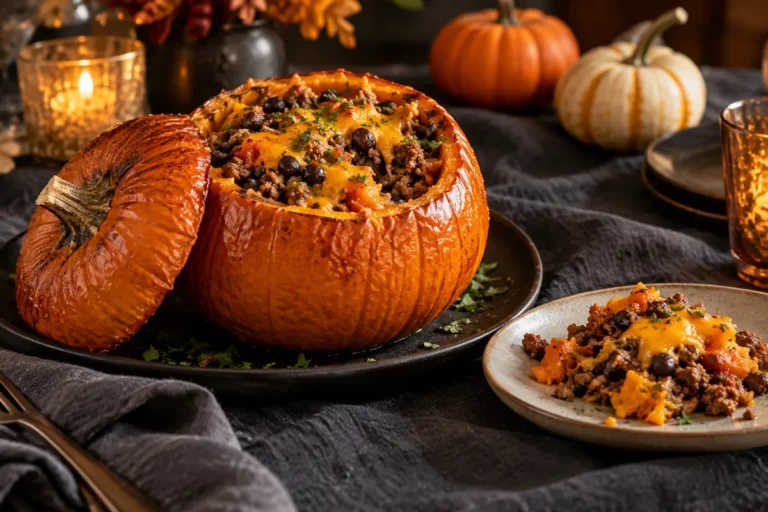
Easy ground bison, black bean, and vegetable skillet
This is an adaptable meal idea, not a personally tested recipe. It keeps the bison serving clear and adds beans and vegetables for variety. Exact cooking time and finished nutrition depend on your ingredients.
Ingredients for four portions
- 1 lb (454 g) raw ground bison
- One 15-ounce (425 g) can black beans, drained and rinsed; the can weight includes liquid, so use the drained amount or label servings for tracking
- One 12-ounce (340 g) bag cauliflower rice
- 1 cup diced bell pepper
- ½ cup salsa
- Cumin, chili powder, garlic powder, and smoked paprika to taste
- A little water or broth as needed
- Optional shredded cheese, measured separately
- Cook the ground bison in a large skillet, breaking it into crumbles. Verify that the meat reaches 160°F (71°C).
- Add the pepper, cauliflower rice, beans, and seasonings. Add a splash of water or broth as needed and cook until the vegetables and beans are hot and cooked to your preference. Follow package directions for frozen vegetables.
- Stir in the salsa and heat through. Add optional cheese, then divide into four equal portions.
Protein estimate: the bison contributes approximately 23 g per portion if your package matches the grass-fed USDA reference. Beans and optional cheese contribute additional protein. Calculate the complete recipe from your actual labels; a fixed claim of 335 calories and 34 g protein would need a specified drained bean weight and exact ingredient products.
Storage and reheating
Refrigerate promptly in shallow containers. Keep cooked meat leftovers at 40°F (4°C) or below and use within 3–4 days, or freeze portions. Reheat leftovers to 165°F (74°C). [5] [6]
Ground bison protein FAQs
How much protein is in 4 oz of ground bison?
About 23 g when weighed raw, or about 29 g when weighed cooked, using the USDA grass-fed reference entries. These are different amounts of starting meat. Use your package label when available. [1] [2]
How much protein is in a pound of ground bison?
A raw pound provides approximately 92 g in the grass-fed USDA entry. Divide by the number of portions you make; four equal portions provide approximately 23 g each. Other products can differ. [1]
Does cooked bison have more protein than raw bison?
It generally has more protein per ounce because it weighs less after moisture loss. Cooking does not add protein to the original portion.
Is ground bison always leaner than ground beef?
No. Compare the two products’ labels at the same weight and preparation state. The amount of fat in the blend matters more than assuming one animal always produces leaner ground meat.
Can you eat ground bison medium-rare?
Follow the ground-meat recommendation of 160°F (71°C), checked with a food thermometer. Do not rely on the lower temperature guidance for intact steaks. [5]
Fit your portion into your daily protein target
Use our Daily Protein Calculator to estimate your protein needs, then count your bison portion alongside the rest of your meals.
Sources and nutrition calculation notes
Nutrition values were checked against the USDA FoodData Central records below. Serving-size figures are calculated estimates, not laboratory results for a specific retail package. Product labels and preparation can change the numbers.
- USDA FoodData Central: Bison, ground, grass-fed, raw — FDC 175293.
- USDA FoodData Central: Bison, ground, grass-fed, cooked — FDC 173847.
- USDA FoodData Central: Game meat, bison, ground, raw — FDC 174421.
- USDA FoodData Central: Chicken, ground, raw — FDC 171116.
- FoodSafety.gov: Safe minimum internal temperatures.
- FoodSafety.gov: Cold food storage chart.