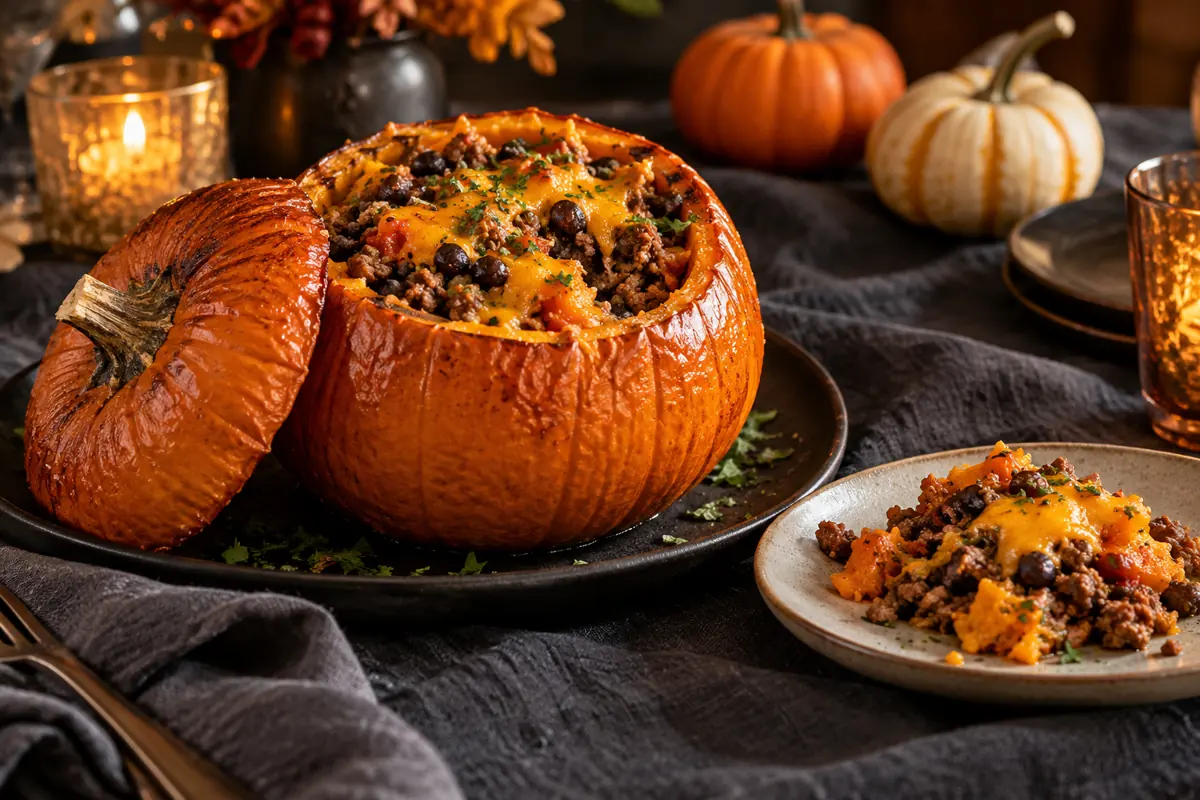
A whole pumpkin on the Halloween dinner table already does most of the decorating for you. Fill it with a savory mixture, bring it to the table, and let everyone serve themselves. It feels right for the occasion without turning dinner into a plate of candy.
But if you are watching your protein intake, the important question is what goes inside it.
Halloween stuffed pumpkin protein depends mostly on the filling. Ground beef, pork sausage, black beans, and cheese can all contribute. The amount you use—and how many people share it—matters more than the size of the pumpkin sitting on the table.
Below, we break down those main ingredients and show three sample filling combinations. The examples provide about 35 g, 27 g, or 21 g of protein per allocated portion, before counting pumpkin flesh or any other ingredients.
About these numbers: We used US manufacturers’ published nutrition information, checked on October 29, 2026. These are label-based calculations, not laboratory measurements. We have not cooked or taste-tested the combinations, and the figures do not describe every stuffed pumpkin recipe.
What is savory Halloween stuffed pumpkin?
It is a baking pumpkin hollowed out and filled with a savory mixture. Depending on the recipe, that might include meat, beans, cheese, bread, rice, eggs, or vegetables. Guests can serve themselves some filling along with the cooked pumpkin flesh.
For an adult Halloween gathering, the pumpkin becomes the centerpiece as well as part of the meal. The Halloween connection comes from the presentation; the filling can follow your guests’ food preferences.
This is an established recipe idea, rather than something we are claiming to have invented. The Kitchn’s savory stuffed pumpkin, for example, combines sausage, bread, Gruyère, eggs, and other ingredients, and is tagged for Halloween. Our comparisons below use different, clearly defined ingredient combinations.
Where does the protein come from?
Start with the ingredients you plan to put inside the pumpkin. These are the reference portions used throughout this guide:
| Main filling ingredient | Specific US label used | Reference amount | Protein |
|---|---|---|---|
| Lean ground beef | Laura’s Lean 92% Lean, 8% Fat Ground Beef | One labeled 4 oz serving (112 g), before cooking | 21 g |
| Pork sausage | Johnsonville Mild Italian Ground Sausage | One labeled 2.5 oz serving (70 g), as packaged before cooking | 13 g |
| Canned black beans | S&W Black Beans | 1/2 cup (130 g), in the label’s serving form | 7 g |
| Shredded cheddar | Sargento Traditional Cut Sharp Cheddar | 1/4 cup (28 g; about 1 oz) | 7 g |
Sources: Laura’s Lean, Johnsonville, S&W, and Sargento.
Weight note: The ounce and gram amounts above follow the manufacturers’ labels, which use rounded conversions. For these calculations, use the listed gram weights consistently.
These are examples, not required brands. If your package lists a different serving size or protein amount, use that instead. In particular, do not use the beef figure for a different lean percentage or assume a chicken sausage has the same nutrition as a pork sausage.
Ground beef: count the amount before cooking
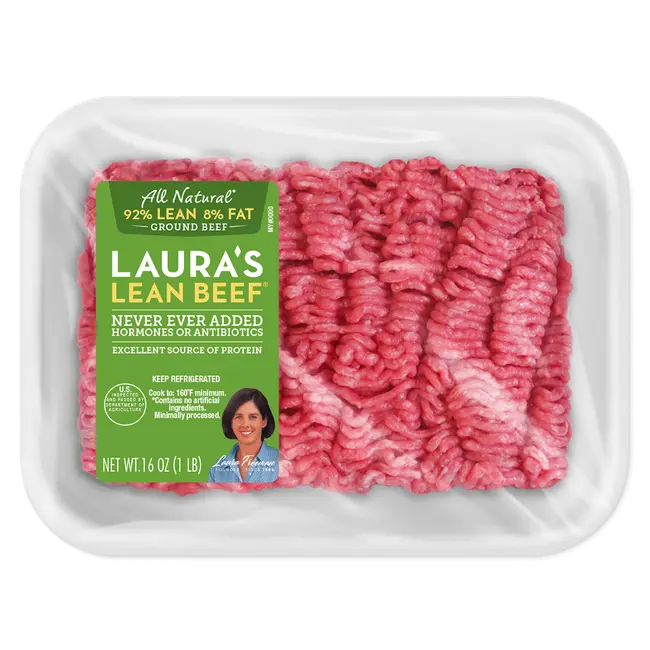
Beef can be the main protein ingredient in a savory Halloween filling. Its contribution depends on the quantity used, the product, and how much of the finished mixture each person eats.
The reference here is the uncooked product. If you weigh your beef after browning it, use a matching cooked-food reference instead. Cooking changes its weight, so the same number of grams before and after cooking does not represent the same portion.
Pork sausage: identify the actual product
“Sausage” is too broad to give one reliable protein number. Our example is specifically pork-based mild Italian ground sausage. Chicken sausage, turkey sausage, breakfast sausage, and plant-based sausage need their own labels.
Check whether the serving information on your package refers to the uncooked product or a cooked portion. That detail matters when you calculate a Halloween dinner filling from scratch.
Black beans: watch the drained weight
Beans can go into a meat filling or form the base of a meat-free version. The reference in our table is a canned product’s labeled serving—not 130 g of drained beans.
If you drain and rinse beans, use nutrition information that matches drained beans, or follow any drained-serving information supplied by the manufacturer. Do not assume a half-cup of drained beans weighs the same as a half-cup in the can’s liquid.
For the arithmetic examples below, the canned-bean amounts stay in the label’s serving form. They are accounting examples rather than instructions to add a particular amount of liquid to a pumpkin.
Cheese: measure the topping too
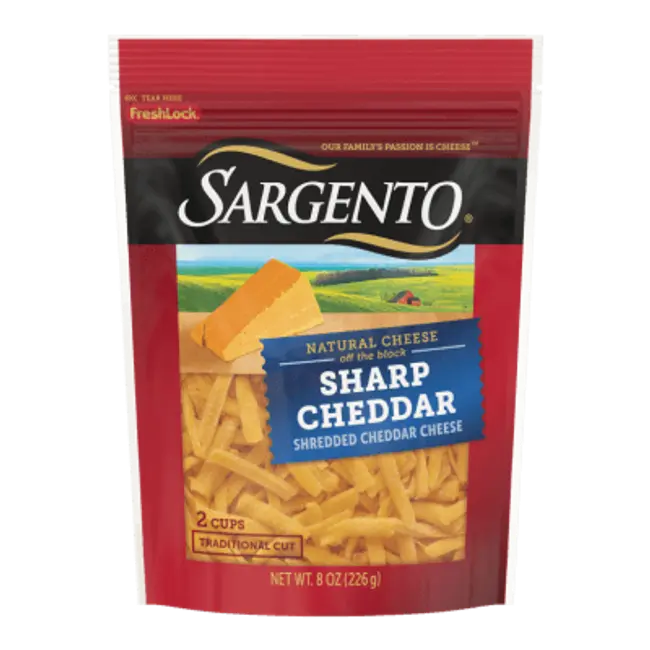
A layer of melted cheese is easy to overlook when logging a serving. Weigh it or measure it using the label’s cup amount before adding it to the filling or topping.
The reference here is cheddar. Gruyère, mozzarella, and dairy-free alternatives may provide different amounts of protein. A cheese substitute should not automatically inherit the cheddar figure.
Three Halloween stuffed pumpkin filling examples
The following combinations show what the selected ingredients contribute to one allocated portion. They are not equal-weight comparisons, a ranking of nutritional quality, or tested recipes. Use a cooking recipe for preparation instructions.
| Filling option | Ingredients allocated to one portion | Protein calculation | Estimated contribution |
|---|---|---|---|
| Beef, black bean, and cheddar | 112 g uncooked reference beef + 130 g reference canned beans + 28 g cheddar | 21 + 7 + 7 | 35 g |
| Pork sausage, black bean, and cheddar | 70 g uncooked reference sausage + 130 g reference canned beans + 28 g cheddar | 13 + 7 + 7 | 27 g |
| Black bean and cheddar, without meat | 260 g reference canned beans + 28 g cheddar | 14 + 7 | 21 g |
The last example uses twice the bean amount of the other two. It also contains dairy, so it is not vegan. If vegetarian suitability matters, check that the cheese uses suitable enzymes.
Pumpkin flesh, bread, rice, eggs, milk, nuts, and other ingredients are outside these totals. Some can contribute additional protein. If they are part of your recipe, calculate them separately before describing the nutrition of the complete meal.
Changing the serving count changes the answer, too. A smaller scoop from the same pumpkin supplies less filling protein than the portion in this table.
How to calculate protein for a shared Halloween pumpkin
For a dinner party, calculating the batch first is usually easier than trying to estimate everyone’s scoop at the table.
Here is an example using four labeled portions of each ingredient in the beef combination:
| Selected ingredient | Amount for the shared filling | Protein contribution |
|---|---|---|
| Reference beef | 448 g before cooking—four labeled servings, approximately 1 lb | 84 g |
| Reference canned black beans | 2 cups (520 g), in labeled serving form | 28 g |
| Reference cheddar | 1 cup (112 g; about 4 oz) | 28 g |
| Selected ingredients combined | Before other ingredients are counted | 140 g |
Divide that selected-ingredient total into four equal portions and the estimate is 35 g each. Divide it into six and it becomes about 23 g each.
This assumes the measured ingredients are retained and shared evenly. Cooking losses, discarded ingredients, and uneven scoops make home estimates less exact.
For a more consistent serving estimate, mix the filling evenly and divide the finished filling by weight. Keep the pumpkin flesh separate from that weighing step if you are tracking its protein separately.
The calculation is:
Protein in an ingredient = grams used ÷ label serving grams × label protein grams.
Add the ingredient contributions, then divide by the number of equal servings. There is no need to give a whole pumpkin one fixed protein number when the fillings and portions can vary so much.
Does the pumpkin itself provide much protein?
It contributes some, but it needs its own reference and measured amount.
For context, Libby’s 100% Pure Pumpkin lists 1 g protein per 1/2 cup (122 g). That figure describes canned puree. It should not be applied directly to a serving of fresh roasted pumpkin flesh.
If you want the protein total for the entire Halloween meal, count the pumpkin flesh you actually eat using a matching cooked-pumpkin reference. The shell’s total weight is not the weight of an edible serving.
Choosing a filling for your Halloween guests
Decide on the protein base before worrying about the pumpkin’s size. Beef and pork sausage are optional versions; a bean filling gives you another way to build the dish.
For guests who avoid beef or pork, use a suitable poultry or meat-free ingredient and calculate from its own nutrition information. If you are making separate versions, label the fillings clearly so guests know what they are serving themselves.
Choose a combination that fits the whole dinner. A filling-only protein figure does not tell you its calories, sodium, saturated fat, or how it fits someone’s usual diet.
For your own daily target, our protein calculator can help put a dinner portion in context. If you also need smaller bites for the table, see our high-protein Halloween snack ideas.
Frequently asked questions
How much protein is in Halloween stuffed pumpkin?
There is no single amount. Our three selected-ingredient examples contribute approximately 35 g, 27 g, or 21 g per allocated portion. Your recipe and serving size determine the actual estimate.
Can I make a protein-focused stuffed pumpkin without beef?
Yes. You can use another suitable meat or a bean-based filling. Use the replacement’s own label rather than carrying over the beef numbers. A bean-and-cheese version contains dairy; a vegan version needs a different calculation.
Can I use cooked meat weights with a raw-meat label?
Not directly. Weigh the ingredient in the state described by its nutrition reference. Alternatively, calculate from the uncooked batch inputs and divide the finished mixture into equal portions, allowing for cooking losses.
Does adding cheese change the protein total?
Yes. Include the measured amount of cheese in the calculation, even when it is only sprinkled on top. Use the label for the exact type you buy.
Is half a stuffed pumpkin one serving?
Only if your particular recipe and portioning make it one. Half a small baking pumpkin can contain a different amount of filling from a scoop taken out of a large shared pumpkin. Define the filling portion first.
Are these finished-recipe nutrition facts?
No. They are estimates for explicitly listed main filling ingredients. To calculate the complete recipe, add the other ingredients and the edible pumpkin portion, then divide the total into your actual servings.