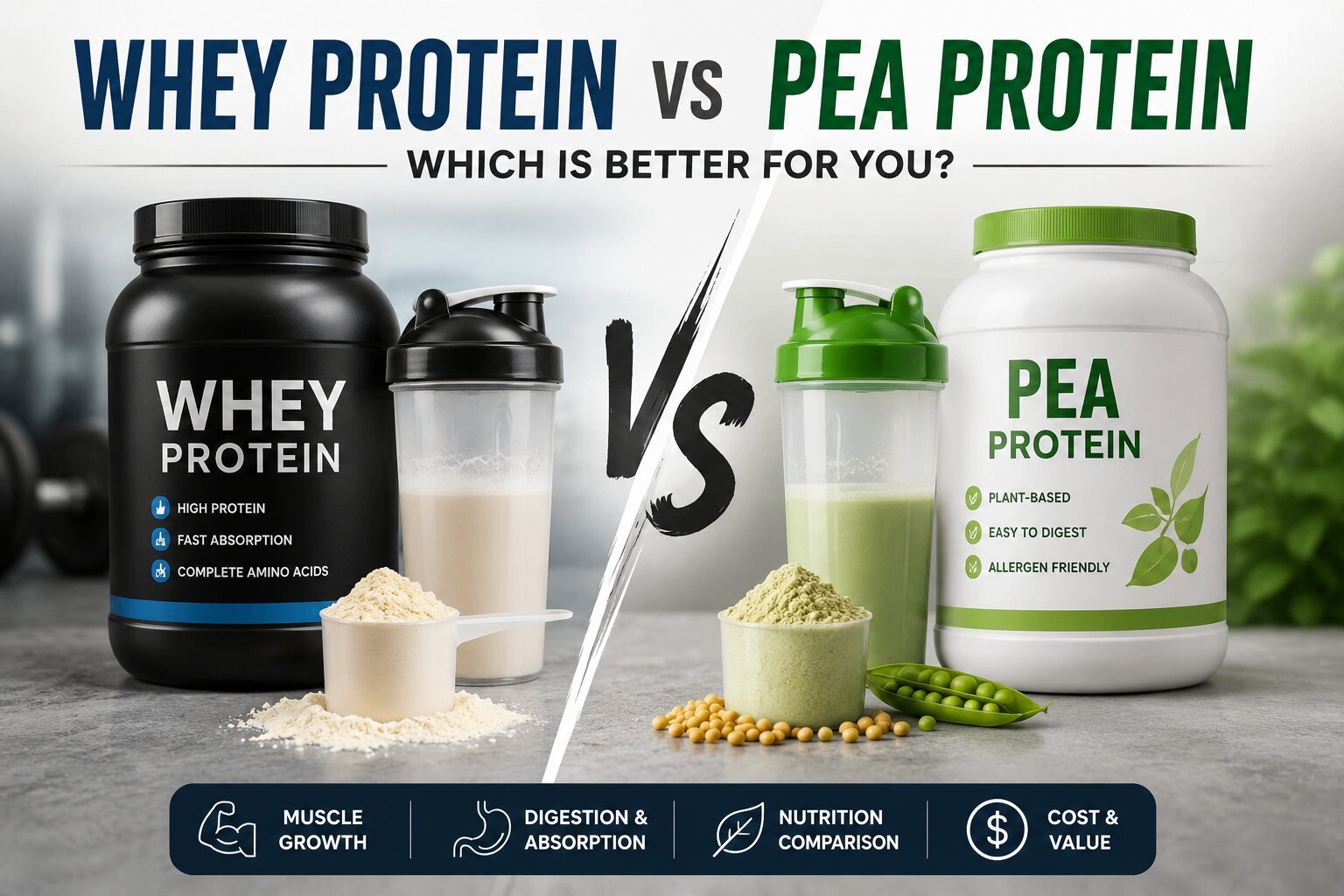
If you’ve ever searched for the best protein powder, you’ve probably ended up in the middle of what feels like a nutrition version of the Marvel vs DC debate.
So this is what it looks like face to face
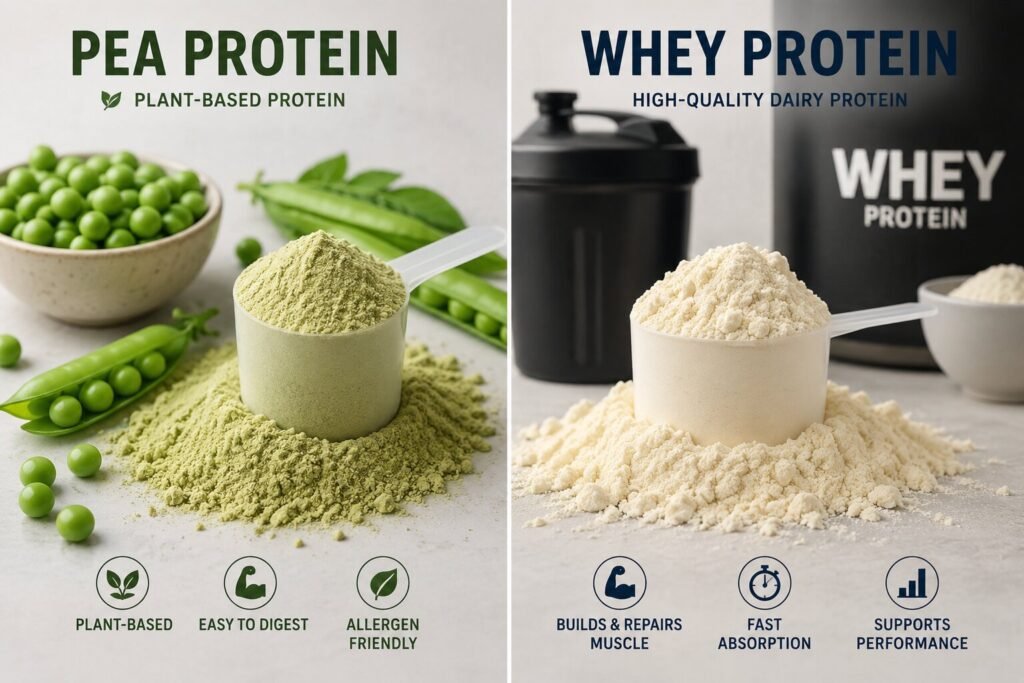
For the whey protein, you see the color is pure white, which you can easily confuse with milk powder. With Pea protein, you can see that it is a bit greenish, which will instantly tell you which protein this is.
Team Whey says it’s the undisputed champion of muscle building.
Team Pea says you don’t need dairy to build an impressive physique.
Meanwhile, you’re just standing in the supplement aisle wondering, “Can someone please tell me which tub I should actually buy?”
Good news—you don’t need a PhD in nutrition or a collection of shaker bottles to figure it out.
I mean, like, it’s a good thing you didn’t know anything about pea protein; I didn’t know much about it at first either.
The truth is that both whey protein and pea protein are excellent sources of protein, but they’re designed for slightly different people and goals. One isn’t automatically “better” than the other—it depends on what you’re trying to achieve, how your body responds, and how you prefer to eat.
In this guide, we’ll compare them side by side using current scientific evidence, real-world practicality, and a few questions that actually matter, such as:
- Which one builds muscle more effectively?
- Is pea protein really as good as whey?
- Which keeps you fuller for longer?
- Which is easier on your stomach?
- Which gives you better value for your money?
- And perhaps most importantly… which one deserves a permanent spot in your kitchen?
By the end of this article, you won’t just know the differences—you’ll know which protein makes the most sense for you.
Because choosing a protein powder shouldn’t feel like solving a Sudoku puzzle while someone in the gym keeps telling you to “just eat chicken.”
Whey Protein vs Pea Protein – Who Should Choose Which Protein?
Not everyone needs the same protein powder. If you’re hoping for a dramatic movie-style reveal where one protein powder defeats the other in a final battle… sorry to disappoint.
The better choice depends on your goals, diet, and digestive comfort. For some people, whey protein is clearly the winner. For others, pea protein makes far more sense.
If you just want the short answer without reading the entire guide first, this table should point you in the right direction.
| If You Are… | Recommended Choice | Why? |
|---|---|---|
| Trying to build as much muscle as possible | 🏆 Whey Protein | Higher leucine content and excellent digestibility make it the benchmark for muscle growth. |
| Vegan or vegetarian | 🌱 Pea Protein | Completely plant-based while still providing a high-quality protein source. |
| Lactose intolerant or sensitive to dairy | 🌱 Pea Protein | Contains no dairy, making it a comfortable option for many people. |
| Trying to lose weight | 🤝 Either | Total daily protein intake matters much more than whether it comes from whey or pea protein. |
| Recovering after resistance training | 🏆 Whey Protein | Rapid digestion and a naturally high leucine content support post-workout muscle protein synthesis. |
| Have a sensitive stomach | 🌱 Pea Protein | Many people who experience bloating from dairy-based proteins find pea protein easier to tolerate. |
| Looking for the most environmentally friendly option | 🌱 Pea Protein | Plant proteins generally have a lower environmental footprint than dairy-based proteins. |
| Simply trying to reach your daily protein goal | ✅ Either | If you consistently meet your daily protein target, both can be effective choices. |
Still unsure? Don’t worry—we’ll break down muscle growth, weight loss, digestion, amino acids, cost, sustainability, and the latest research so you can make a decision based on evidence instead of whichever protein tub has the loudest label.
The biggest difference between people who achieve their fitness goals and those who don’t usually isn’t whether they chose whey or pea protein. It’s whether they consistently meet their daily protein needs.
Think of it this way: choosing between whey and pea protein while only eating half the protein your body needs is a bit like arguing over which sports car is faster… when neither one has any fuel in the tank.
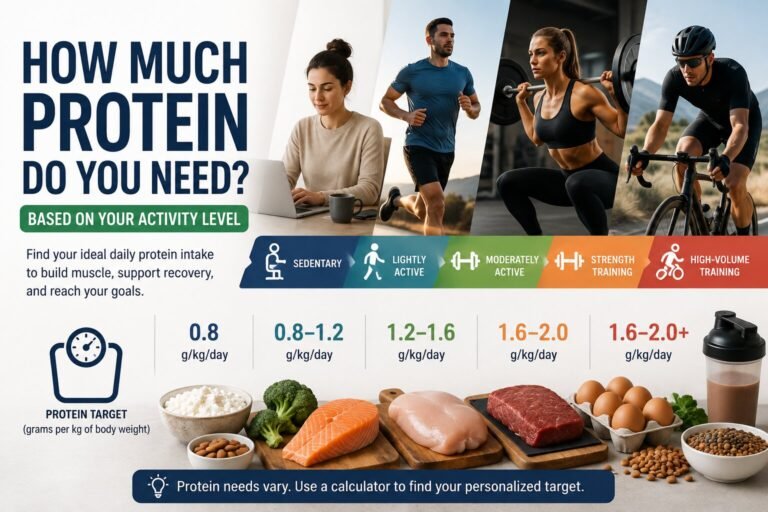
If you’re not sure how much protein you actually need, keep reading—we’ll explain how both proteins perform for different goals. Even better, use our free Protein Calculator after this guide to find your personalised daily protein target in less than a minute.
Pea Protein vs Whey: Side-by-Side Comparison
If you enjoy comparing every little detail before buying something, welcome to your moment.
If you don’t, that’s perfectly fine too. This table gives you a quick overview of how whey protein and pea protein compare across the things that actually matter—from muscle growth to digestion and sustainability.
| Category | Whey Protein | Pea Protein |
|---|---|---|
| Protein Quality | ⭐⭐⭐⭐⭐ Complete protein | ⭐⭐⭐⭐☆ Nearly complete protein |
| Essential Amino Acids | Contains all 9 essential amino acids | Contains all essential amino acids but is lower in methionine |
| Leucine Content | Higher | Moderate |
| Muscle Growth | Excellent | Very Good |
| Weight Loss | Excellent | Excellent |
| Digestion Speed | Fast | Moderate |
| Suitable for Vegans | ❌ No | ✅ Yes |
| Lactose-Free | Usually No* | Yes |
| Common Side Effects | Bloating in some people with dairy intolerance | Occasional bloating depending on the product |
| Environmental Impact | Higher | Lower |
| Best Overall For | Maximum muscle growth and recovery | Plant-based diets and dairy-free lifestyles |
Notice something interesting? There isn’t a single category where one protein completely dominates the other. Whey protein generally has a slight edge for building muscle because it’s naturally richer in leucine, while pea protein shines for people following a plant-based diet or avoiding dairy.
In other words, this isn’t a battle of “good vs bad.” It’s more like choosing between two excellent tools for different jobs. A hammer isn’t better than a screwdriver—you just don’t want to use the wrong one for the task.
What Is Whey Protein?
Whey protein is a high-quality protein naturally found in cow’s milk. When milk is used to make cheese, the liquid that’s left behind is called whey. That liquid is then filtered, purified, and dried into the protein powder you’ll find on supermarket shelves and in gym bags around the world.
One of whey protein’s biggest strengths is that it’s a complete protein, meaning it contains all nine essential amino acids your body can’t produce on its own. It’s also naturally rich in leucine, an amino acid that plays an important role in repairing and building muscle after resistance training.
Another reason whey protein is so popular is convenience. Drinking a protein shake takes about 30 seconds. Cooking another chicken breast after a long day at work… well, that requires a bit more motivation.
That said, whey protein isn’t magic. It doesn’t build muscle simply because it comes in a giant tub with words like “EXTREME ANABOLIC MEGA MUSCLE” printed across the front. It’s simply a convenient way to increase your daily protein intake when whole foods alone aren’t enough.
If you’re already meeting your daily protein target through foods like chicken, fish, eggs, dairy, beans, or lentils, you don’t need whey protein. Think of it as a convenient supplement—not a requirement for building muscle or staying healthy.
And Now What Is Pea Protein?
Pea protein is a plant-based protein powder made from yellow split peas, not the green peas you might push around your dinner plate. The peas are processed to remove most of their starch and fibre, leaving behind a concentrated source of protein.
Like whey protein, pea protein is rich in essential amino acids and provides a substantial amount of protein per serving. While it’s naturally lower in the amino acid methionine, it still contains enough essential amino acids to support muscle growth and overall health when eaten as part of a balanced diet.
One of pea protein’s biggest advantages is that it’s 100% vegan, naturally dairy-free, and suitable for people with lactose intolerance or those following a plant-based lifestyle. Many people also find it easier on their stomach than dairy-based protein powders, although this can vary from person to person.
Modern pea protein has also come a long way in terms of taste and texture. Older formulas earned a reputation for tasting like someone blended a handful of garden soil into a shaker bottle. Thankfully, most reputable brands today are much smoother and more enjoyable than they used to be.
Just like whey protein, pea protein isn’t a miracle supplement. It’s simply another convenient way to increase your daily protein intake. If it helps you consistently reach your protein goal, it’s doing exactly what it’s supposed to do.
Can Pea Protein Build Muscle as Well as Whey Protein?
If you’re only interested in the short answer, here it is: yes, it can.
For years, whey protein was considered the gold standard for building muscle because it’s naturally higher in leucine and is digested more quickly than most plant proteins. That led many people to assume plant-based proteins simply couldn’t keep up.
Fortunately, research tells a more interesting story.
Several studies have found that when people consume enough total protein and follow a proper resistance training program, pea protein can produce muscle and strength gains that are very similar to whey protein. In other words, the gap between the two is much smaller than many fitness influencers would have you believe.
So why does whey still get so much attention?
The main reason is leucine. Whey naturally contains more leucine per serving, which gives it a slight advantage in stimulating muscle protein synthesis—the process your body uses to repair and build muscle after exercise.
However, for most people, this difference is relatively small in the real world. Training consistently, eating enough protein throughout the day, getting enough sleep, and progressively challenging your muscles will have a far greater impact on your results than choosing whey over pea protein.
If your goal is to maximise every possible advantage for muscle growth, whey protein still has a slight edge. But if you’re vegan, lactose intolerant, or simply prefer a plant-based diet, pea protein is an excellent alternative that can absolutely support muscle growth when your overall protein intake is adequate.
In other words, your daily habits matter far more than the logo on your protein tub.
If you find reading this section boring then I have pasted an infographic for you to better understand using pictures
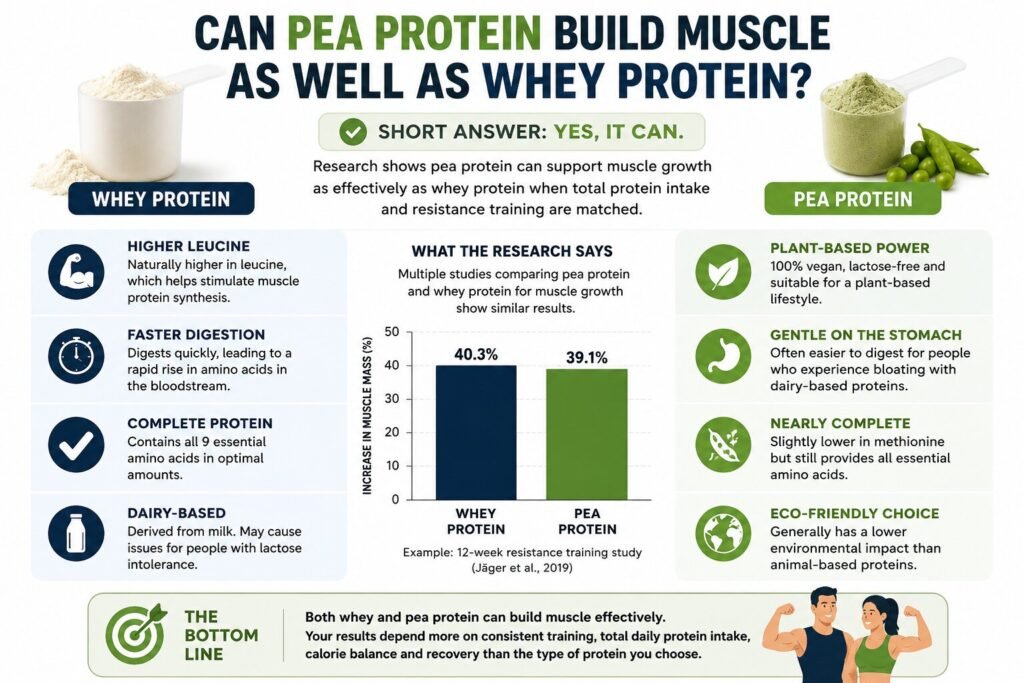
One of the biggest myths in fitness is that plant proteins can’t build muscle as effectively as animal proteins. The good news is that researchers have spent years testing this question, so we don’t have to settle the debate using Instagram comments.
Several clinical studies have compared pea protein and whey protein while participants followed structured resistance training programs. In many of these studies, researchers found that both protein sources produced similar improvements in muscle size, strength, and exercise performance when total protein intake was matched.
One of the best-known studies, published in the Journal of the International Society of Sports Nutrition, followed young men through a 12-week resistance training program. The researchers found no significant difference in muscle thickness or strength gains between participants taking pea protein and those taking whey protein.
This doesn’t mean whey protein loses all of its advantages. Whey still contains more leucine and is digested more quickly, which can produce a stronger short-term muscle protein synthesis response after exercise. However, when you zoom out and look at weeks or months of consistent training, those small differences don’t always translate into noticeably bigger muscle gains.
Think of it like driving to work.
One car arrives two minutes earlier, but both cars reach the destination. Unless you’re racing professionally, those two minutes probably won’t change your day. The same idea often applies to whey and pea protein. One may have a slight physiological advantage, but consistently training, eating enough protein, and recovering properly have a much greater influence on your long-term results.
The takeaway from the current evidence is simple: your daily protein intake and training consistency matter far more than whether your protein powder comes from milk or yellow peas.
If you are interested more in this I have listed out some resources you can refer to.
Research & References
- Babault N, Païzis C, Deley G, et al. (2015). Pea proteins oral supplementation promotes muscle thickness gains during resistance training: A double-blind, randomized clinical trial.
- Journal of the International Society of Sports Nutrition (JISSN)
- Nutrients (2021). The Role of Protein Supplementation in Resistance Training and Skeletal Muscle Health.
- Morton RW, et al. (2018). A Systematic Review, Meta-analysis and Meta-regression of Protein Supplementation on Resistance Training–Induced Gains in Muscle Mass and Strength.
Does Total Daily Protein Matter More Than the Type of Protein?
If you’ve read this far, you might be wondering whether choosing the “perfect” protein powder is the secret to better results.
For most people, it isn’t.
The biggest factor for building muscle, recovering from workouts, and maintaining your health is consuming enough total protein every day. Whether that protein comes from chicken, eggs, Greek yogurt, whey protein, pea protein, or a combination of foods is usually a secondary consideration.
Imagine trying to fill a bucket with water.
Your daily protein goal is the amount of water the bucket needs. Whey protein and pea protein are simply two different taps filling the same bucket. One tap might flow a little faster, but if you never fill the bucket completely, it doesn’t really matter which tap you chose.
This is exactly why nutrition experts recommend focusing on your total daily protein intake first, then worrying about the source if you have specific goals or dietary preferences.
That doesn’t mean protein quality is unimportant. Higher-quality proteins like whey naturally provide more leucine and all the essential amino acids in ideal proportions. However, eating enough protein throughout the day and spreading it across your meals generally has a much bigger impact than obsessing over tiny differences between protein powders.
For example, someone who consistently eats 120 grams of protein per day from a balanced diet that includes pea protein is likely to see better results than someone who drinks whey protein every morning but only consumes 70 grams of protein in total.
In other words, consistency beats perfection almost every time.
That’s why, before choosing a protein powder, it’s worth answering a much simpler question:
“Am I actually eating enough protein each day?”
If the answer is “I’m not sure,” that’s where our Protein Calculator can help. It estimates your daily protein needs based on your age, weight, activity level, and fitness goal, giving you a practical target before you decide which protein supplement fits your lifestyle.
Which Protein Is Better for Your Goal?
There’s no single winner because different people have different priorities. A bodybuilder preparing for a competition isn’t looking for the same thing as someone who simply wants to eat more protein without upsetting their stomach.
Here’s how whey protein and pea protein compare depending on your goal.
🏋️ For Building Muscle
Winner: Whey Protein (Slight Edge)If your only goal is maximizing muscle growth, whey protein has a small advantage. It’s naturally higher in leucine and digests more quickly, helping stimulate muscle protein synthesis after resistance training.
That doesn’t mean pea protein can’t build muscle—it absolutely can. The difference is simply that whey gives you a slightly bigger nutritional head start.
Best Choice: Whey Protein
🌱 For Vegans and Plant-Based Diets
Winner: Pea ProteinThis one isn’t even close.
If you avoid dairy or follow a vegan lifestyle, pea protein is one of the best plant-based protein powders available. It provides plenty of protein, supports muscle growth, and fits naturally into a plant-based diet.
Best Choice: Pea Protein
🥛 For Lactose Intolerance
Winner: Pea ProteinMany whey protein concentrates still contain small amounts of lactose, which can cause bloating or digestive discomfort in sensitive individuals.
Pea protein is naturally dairy-free, making it the easier choice for most people with lactose intolerance.
Best Choice: Pea Protein
⚖️ For Weight Loss
Winner: TieProtein helps you stay full regardless of where it comes from.
Whether you choose whey or pea protein, both can help reduce hunger and make it easier to maintain a calorie deficit when paired with a balanced diet.
The protein powder itself isn’t what causes weight loss—your overall calorie intake does. Sorry, no protein shake has figured out how to cancel out a large pizza… yet.
Best Choice: Either Whey or Pea Protein
💰 For Budget-Friendly Nutrition
Winner: Usually Whey ProteinDepending on where you live, whey protein is often slightly cheaper because it’s produced on a much larger scale.
That said, prices change frequently, and premium brands can make either option surprisingly expensive. Comparing the price per serving is usually more helpful than comparing the price of the entire tub.
Best Choice: Usually Whey Protein
🌍 For Sustainability
Winner: Pea ProteinGrowing peas generally requires fewer natural resources and produces a lower environmental impact than dairy production.
If reducing your environmental footprint is important to you, pea protein has a clear advantage.
Best Choice: Pea Protein
🏆 Overall Verdict
If you’re looking for every possible performance advantage and you don’t have any issues with dairy, whey protein remains the overall winner.
If you’re vegan, lactose intolerant, environmentally conscious, or simply prefer plant-based nutrition, pea protein is an outstanding alternative that can deliver very similar long-term results when your daily protein intake is adequate.
At the end of the day, the best protein powder is the one you’ll actually use consistently. A tub of the “perfect” protein sitting unopened in your cupboard won’t build nearly as much muscle as the one you enjoy drinking every day.
Interactive Digestibility Comparison For Whey vs Pea Protein
Click a protein below to compare how they differ in digestion, dietary suitability, and overall comfort.
Whey Protein
Fast-digesting complete protein ideal for muscle recovery and athletic performance.
Why These Ratings?
Whey protein digests very quickly and is naturally rich in essential amino acids, but concentrates may contain lactose, which can cause digestive discomfort in people with lactose intolerance.
Cost Comparison: Which Protein Gives Better Value?
Price is often the deciding factor once you’ve narrowed your choice down to whey protein or pea protein. While prices vary by brand, flavour, and container size, whey protein is generally a little cheaper because it’s produced on a much larger scale.
Rather than looking only at the price of the tub, it’s more useful to compare the cost per serving and the cost per gram of protein. That’s a better indication of the value you’re getting.
| Comparison | Whey Protein | Pea Protein |
|---|---|---|
| Typical Price (2 lb / ~900 g) | $28–$45 | $30–$50 |
| Average Protein per Serving | 24–25 g | 20–25 g |
| Typical Servings per Container | 28–30 | 28–30 |
| Approximate Cost per Serving | $1.00–$1.50 | $1.10–$1.70 |
| Approximate Cost per Gram of Protein | $0.04–$0.06 | $0.05–$0.07 |
| Best Overall Value | ✅ Usually Better | Good, but slightly higher |
Bottom LineIf your only priority is getting the most protein for your money, whey protein usually offers slightly better value. However, the price difference is often only a few cents per serving. For people who follow a vegan diet or avoid dairy, paying a little more for pea protein may be well worth it.
Keep in mind that these prices represent typical retail ranges in the United States and can change depending on the brand, retailer, discounts, and whether you buy concentrate, isolate, or blended formulas. Premium products with added ingredients can cost significantly more than standard protein powders.
One Last Thought
If you’ve made it this far, you’re probably more informed than when you first searched “pea protein vs whey protein.” Hopefully, that’s exactly what this guide helped you achieve.
The truth is, there isn’t a universally “better” protein powder. Whey protein has a slight advantage for muscle growth and recovery, while pea protein is an excellent choice for people following a plant-based lifestyle or avoiding dairy. For most people, the difference in long-term results is much smaller than the difference made by consistent training, eating enough total protein, getting quality sleep, and sticking with healthy habits.
So don’t stress over finding the perfect protein powder. Pick the one that fits your lifestyle, your budget, and your dietary preferences—and then focus on being consistent.
If you’re not sure how much protein you actually need, try our free Protein Calculator. It takes less than a minute and gives you a personalised daily protein target based on your body, activity level, and goals.
And if you enjoyed this guide, there’s plenty more to explore. We’re continually publishing practical, evidence-based articles to help you understand nutrition without the confusing jargon or exaggerated marketing claims.
Thanks for reading, and we hope to see you again soon.